
Banana Export Documentation for UAE 2026: Complete Import Guide
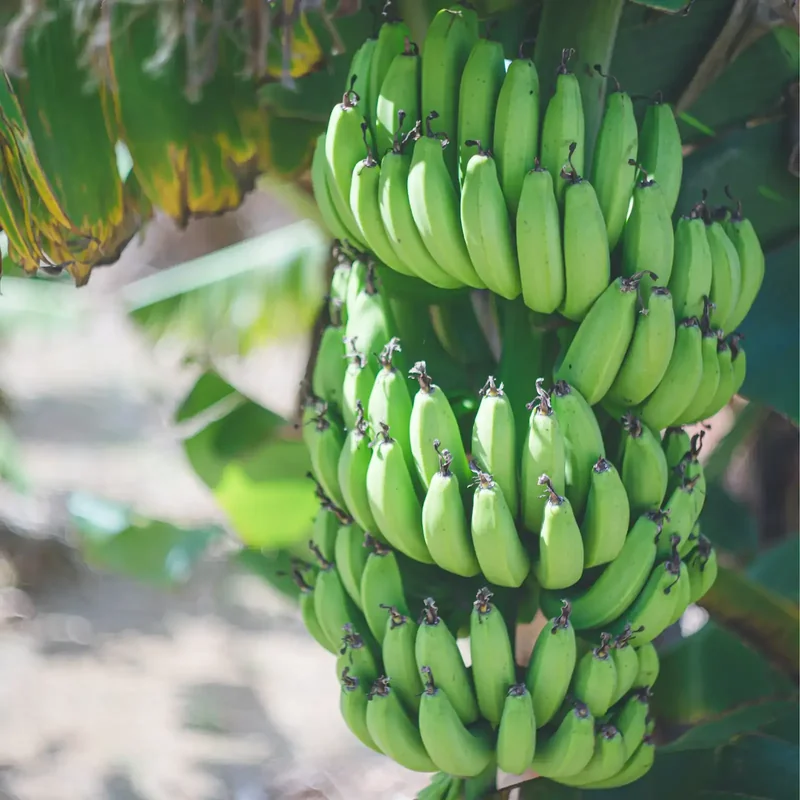
The UAE is one of the largest importers of Indian bananas, consuming over 300,000 MT annually across Dubai, Abu Dhabi, Sharjah, and the Northern Emirates. However, importing fresh bananas into the UAE requires strict documentation and compliance with Dubai Municipality, Emirates Authority for Standardization and Metrology (ESMA), and Ministry of Climate Change and Environment (MOCCAE) regulations. This guide covers every document and process you need.
Why the UAE Imports Indian Bananas
The UAE's domestic banana production is negligible due to arid climate and limited arable land. Over 95% of bananas consumed in the UAE are imported, with India being the top supplier alongside Ecuador, the Philippines, and Pakistan. Indian bananas are preferred due to competitive pricing, shorter shipping times (5-7 days from Mumbai to Jebel Ali), and superior Cavendish and Grand Naine varieties.
Dubai's role as a re-export hub means many bananas arriving at Jebel Ali Port are subsequently shipped to Saudi Arabia, Oman, Bahrain, Qatar, and Kuwait. This makes UAE import compliance critical not just for the local market but for entire GCC distribution networks.
Required Export Documents for Banana Shipment to UAE
1. Phytosanitary Certificate
Issued by the Plant Protection Officer of the exporting country (India), this certificate confirms that the bananas are free from quarantine pests and diseases. For UAE imports, this is mandatory and must accompany every shipment. The certificate must specify:
- Scientific name: Musa acuminata (Cavendish subgroup)
- Country of origin: India
- Quantity and packaging details
- Treatment details (if fumigated)
- Statement of freedom from specific pests
2. Certificate of Origin (COO)
The COO must be issued by the Export Inspection Council (EIC) or a recognized Chamber of Commerce in India. For UAE-bound shipments, the COO must be attested by the UAE Embassy or Consulate in India. Under the India-UAE CEPA (Comprehensive Economic Partnership Agreement), Indian-origin bananas enjoy preferential tariff treatment, making an accurate COO essential for duty savings.
3. Health Certificate / HC Code
The HC Code (Harmonized Commodity Description and Coding System) for fresh bananas is 0803.90. The Health Certificate confirms that the bananas meet UAE food safety standards, including:
- Pesticide residue levels within UAE Maximum Residue Limits (MRLs)
- Absence of microbial contamination (Salmonella, E. coli)
- Compliance with UAE.S GSO standards for fresh fruits
4. Dubai Municipality Food Import Registration
All food importers in Dubai must register with the Dubai Municipality Food Safety Department and obtain a Food Import and Re-export Registration. The importer must submit:
- Trade license copy
- Food import registration certificate
- Lab test reports for each shipment
- Packaging and labeling compliance documents
5. Packing List and Commercial Invoice
The commercial invoice must detail the exact number of cartons, net and gross weight per carton, unit price, and total value. UAE customs uses this for duty assessment and VAT calculation (5% VAT applies to most food imports).
6. Bill of Lading (BL) or Airway Bill (AWB)
For sea freight (standard for bananas), a Bill of Lading is issued by the shipping line. The consignee details must exactly match the importer's trade license to avoid customs delays at Jebel Ali Port.
UAE Banana Import Regulations and Standards
Dubai Municipality Labeling Requirements
Every banana carton entering Dubai must be labeled in both English and Arabic with:
- Product name ("Fresh Bananas" / "موز طازج")
- Country of origin
- Net weight in kilograms
- Production date and expiry/best-before date
- Importer name and address in UAE
- Storage conditions ("Keep refrigerated at 13-14 degrees C")
ESMA and GSO Standards
The Emirates Authority for Standardization and Metrology (ESMA) adopts GCC Standardization Organization (GSO) standards for imported food. For bananas:
- GSO 9: Fresh bananas must be intact, firm, free from decay, and properly colored
- Maximum permitted pesticide residues must comply with GSO MRL tables
- Packaging materials must be food-grade and free from hazardous substances
Cold Chain and Reefer Requirements
Bananas must be transported in Reefer containers maintained at 13-14 degrees C with 90-95% relative humidity. The UAE customs may inspect container temperature logs upon arrival. Containers without functional temperature monitoring may be rejected or held for extended inspection.
Step-by-Step UAE Banana Import Process
- Importer Registration (Week 1): UAE buyer registers with Dubai Municipality and obtains food import license.
- Supplier Selection (Week 1-2): Choose an APEDA-registered banana exporter with UAE export experience.
- Proforma Invoice (Week 2): Supplier issues PI with terms, pricing, and required documents.
- Advance Payment (Week 2): 30% advance payment via wire transfer or Letter of Credit.
- Pre-Shipment Inspection (Week 3): Independent surveyor inspects fruit quality, grading, and packaging.
- Documentation (Week 3-4): Phytosanitary, COO, Health Certificate, and lab reports prepared.
- Shipment (Week 4): Reefer container dispatched from Nhava Sheva or JNPT to Jebel Ali Port (5-7 days transit).
- Customs Clearance (Week 5): Documents submitted to Dubai Customs and Dubai Municipality for inspection.
- Delivery (Week 5-6): Container released to importer's cold storage facility.
Common Documentation Mistakes UAE Importers Make
- Incomplete Phytosanitary Certificates: Missing scientific names or treatment details cause rejection at port.
- Mismatched Consignee Names: BL consignee name must exactly match the Dubai Municipality registration.
- Missing Arabic Labels: Cartons without Arabic labels are held for relabeling, causing delays and fees.
- Incorrect HC Codes: Using 0803.10 (plantains) instead of 0803.90 (Cavendish bananas) causes customs disputes.
- Late VAT Registration: New importers must be VAT-registered before customs clearance.
How to Choose a Reliable Banana Exporter for UAE
When sourcing bananas for the UAE market, verify your Indian supplier has:
- APEDA registration with fruit export authorization
- Previous UAE shipment references
- Dubai Municipality-compliant labeling capability
- Phytosanitary certification arrangement with Indian Plant Protection authorities
- Reefer container loading supervision and temperature logging
As a registered APEDA exporter with 500+ FCL shipped across the Middle East, Eversure Globals handles the complete documentation chain for UAE-bound banana shipments. Buy bananas in bulk from India with full UAE compliance support.
Dubai Wholesale Markets and Distribution Channels
Once cleared at Jebel Ali Port, Indian bananas enter several distribution channels across the UAE:
- Dubai Fruit & Vegetable Market (Al Aweer): The largest wholesale market in the UAE, handling over 60% of imported fresh produce. Bananas are auctioned or sold direct to wholesalers who distribute to supermarkets, hotels, and restaurants.
- Abu Dhabi Central Market (Mina Zayed): Second-largest hub serving the capital and Al Ain region. Focus on high-volume retail and food service.
- Sharjah Central Market: Serves the Northern Emirates including Ajman, Umm Al Quwain, Ras Al Khaimah, and Fujairah.
- Direct Supermarket Supply: Large chains like Spinneys, Carrefour UAE, and Lulu Hypermarket import directly via their central buying offices, bypassing wholesale markets.
Understanding your buyer's distribution channel helps determine the correct packaging, labeling, and delivery requirements. Wholesale market buyers prioritize price and volume, while supermarket direct supply demands premium grading and retail-ready packaging.
UAE Banana Market Size and Demand Trends
The UAE fresh banana market exceeds 300,000 MT annually, with per capita consumption among the highest in the world at approximately 16kg per person. Key demand drivers include:
- Expatriate population: Over 85% of UAE residents are expatriates from banana-consuming regions (South Asia, Southeast Asia, Africa, and Latin America).
- Tourism and hospitality: Dubai alone has 750+ hotels serving 15+ million annual visitors, creating massive demand for breakfast and smoothie bananas.
- Health trends: Growing fitness and wellness culture has increased demand for organic and premium Cavendish bananas in gyms, health food stores, and juice bars.
- Ramadan demand surge: Banana consumption increases 25-30% during Ramadan due to traditional iftar menus and energy-dense pre-fast meals.
Common Quality Issues at Jebel Ali Port
Even with proper documentation, banana shipments can face rejection or delay at Jebel Ali due to quality issues:
- Premature ripening: Container temperature excursions above 16 degrees C trigger ethylene production, causing green bananas to ripen prematurely before reaching retail.
- Mechanical damage: Rough handling during port unloading causes bruising and finger detachment. Proper palletization reduces damage by 40-60%.
- Chilling injury: Temperatures below 12 degrees C damage cell walls, causing grayish skin discoloration that renders bananas unsalable within days.
- Fungal infections: Crown rot (caused by Colletotrichum musae) and anthracnose spread rapidly in high-humidity containers with poor ventilation.
- Size inconsistency: Supermarket buyers reject cartons with mixed finger sizes or bunches outside the specified grade range.
Seasonal Pricing for UAE Banana Imports
Pricing for UAE-bound Indian bananas fluctuates seasonally:
- March to June (Peak Season): Best pricing at $10-13 per 13kg carton CIF Jebel Ali. High volume, excellent quality from Maharashtra and Karnataka.
- July to August (Monsoon): Prices rise 10-15% due to reduced harvest volumes and transport disruptions.
- September to November (Post-Monsoon): Prices normalize. Good quality resumes from Tamil Nadu and Andhra Pradesh.
- December to February (Winter): Prices peak at $14-17 per carton due to reduced yields and holiday demand across the GCC.
Smart buyers lock in 6-month contracts during March-April to secure lowest pricing and guaranteed supply during peak demand months.
People Also Ask
What is the HC code for bananas imported to UAE?
The HS/HC code for fresh Cavendish bananas is 0803.90. Plantains fall under 0803.10. Always verify the correct code with your customs broker before shipment.
How long does it take to ship bananas from India to Dubai?
Sea transit from Nhava Sheva (Mumbai) to Jebel Ali Port takes 5-7 days via standard container shipping lines. Air freight takes 1-2 days but is rarely used for bananas due to cost.
Do bananas need fumigation before export to UAE?
Yes, methyl bromide or phosphine fumigation is typically required and must be documented on the Phytosanitary Certificate. The fumigation treatment details must specify dosage, duration, and temperature.
What is the VAT rate on banana imports in UAE?
The UAE applies 5% VAT on imported food products including fresh bananas. Under the India-UAE CEPA, customs duty is 0% for Indian-origin bananas with a valid Certificate of Origin.
Get a Banana Export Quote for UAE