
Onion Export Packaging for Europe 2026: EU Standards Guide
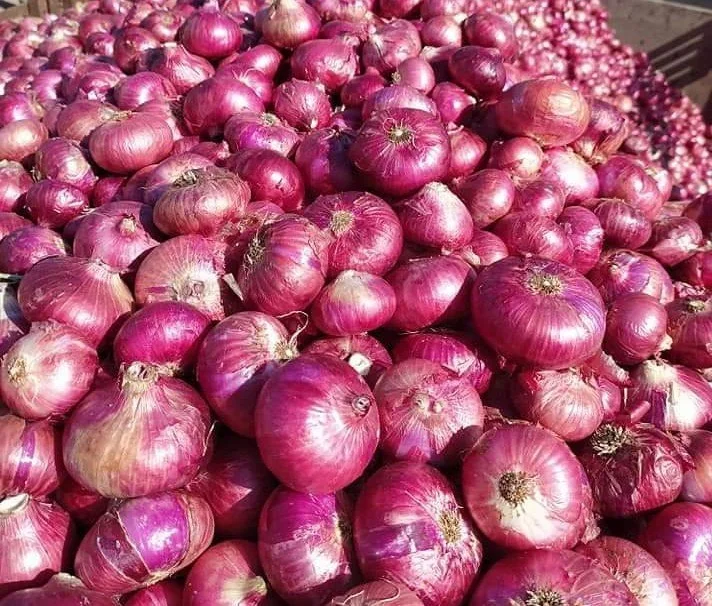
Europe imports over 1.5 million metric tons of onions annually, with the Netherlands, Germany, UK, France, and Belgium being the largest markets. Indian red and yellow onions are increasingly popular due to competitive pricing and extended shelf life. However, European supermarkets and wholesalers have strict packaging, labeling, and traceability requirements that differ significantly from Middle Eastern or Asian markets. This guide covers everything you need to know about onion export packaging for Europe.
Why European Buyers Choose Indian Onions
Indian onions from Nashik, Pune, and Ahmednagar are known for their pungency, firmness, and excellent storage characteristics. The red onion (Nasik Red) is particularly popular in the UK and Germany, while yellow onions suit Dutch and Belgian processing industries. With sea transit from Mumbai to Rotterdam taking 16-22 days, proper packaging is absolutely critical to prevent sprouting, mold, and moisture loss.
European buyers typically require onions with 3-6 months of shelf life after arrival. This is only achievable with correct harvesting, curing, grading, and packaging at origin. Any failure in this chain results in rejection at the port or supermarket depot.
European Union Packaging Regulations for Onions
Euro-Pallet Standards (EUR / EPAL)
European distribution centers and supermarkets require Euro-pallets (1200 x 800mm) or ISO pallets (1200 x 1000mm) for all inbound produce. Indian exporters must use ISPM-15 heat-treated wooden pallets or plastic pallets that meet EPAL standards. Key requirements:
- Pallet load height must not exceed 1.9 meters for standard racking compatibility
- Maximum weight per pallet: 1,000 kg
- All pallets must have four-way forklift entry
- Corner boards and stretch-wrap are mandatory for sea freight
- Pallet labeling must include SSCC barcode (GS1 standard)
Jute Mesh Bag Specifications
The standard European onion packaging is 25kg and 50kg ventilated jute mesh bags. Unlike solid polypropylene bags used in some markets, jute mesh allows critical airflow that prevents condensation and sprouting during long sea voyages. Requirements:
- Mesh size: 2-3mm openings for adequate ventilation
- Bag dimensions: 60 x 100cm for 25kg; 70 x 110cm for 50kg
- Weight tolerance: +/- 2% per bag
- Sewn with food-grade polypropylene thread
- Each bag must have a sewn-in label with lot number, origin, and grade
Consumer Pack and Pre-Pack Requirements
For UK supermarkets (Tesco, Sainsbury's, ASDA) and German retailers (Aldi, Lidl, Edeka), onions must be supplied in retail-ready packaging:
- 1kg and 2kg paper or net bags with EU-compliant labels
- 5kg consumer boxes with carry handles and bilingual labeling
- 10kg wholesale bags for restaurant and catering supply
- All retail packaging must be recyclable under EU Single-Use Plastics Directive
EU Labeling Requirements for Onion Imports
Mandatory Label Information
EU Regulation 1169/2011 requires all pre-packed food products to carry:
- Product name: "Red Onions" / "Yellow Onions" / "Shallots" in the destination language
- Country of origin: "Product of India" clearly stated
- Net quantity: In metric units (kg or grams)
- Best-before or use-by date: Based on post-harvest treatment and storage conditions
- Storage conditions: "Store in a cool, dry place" or "Refrigerate after opening"
- Name and address: EU importer/distributor
- Batch / Lot number: For traceability and recall purposes
Organic and Certification Logos
If marketing as organic, the EU organic logo (Euro-leaf) must be displayed along with the certifier code (e.g., IN-BIO-123 for Indian NPOP certification). Additional retailer-specific logos (Soil Association, Demeter, Bioland) may be required for premium supermarket listings.
Cold Chain and Temperature Management
Reefer Container Settings
Onions must be shipped in ventilated reefer containers maintained at:
- Temperature: 0 to 4 degrees C for long voyages (Rotterdam, Hamburg, Felixstowe)
- Relative Humidity: 65-70% to prevent sprouting and root growth
- Air Circulation: Continuous airflow of 80-120 cubic meters per hour
- CO2 and Ethylene Monitoring: Optional but recommended for voyages exceeding 18 days
Pre-cooling onions to 4 degrees C before container loading is essential. Loading warm onions into a cold container causes condensation on the outer bags, leading to mold within 48 hours.
Container Loading Best Practices
For European onion shipments, follow these loading protocols:
- Use Euro-pallets (1200 x 800mm) stacked 8-10 bags high
- Place dunnage (air bags) between pallet stacks to prevent movement
- Install container desiccants (2-3 per 40ft container)
- Leave 10cm clearance from container walls for airflow
- Seal container with bolt seal and record seal number on Bill of Lading
Traceability and Documentation
GS1 Traceability and Barcodes
Most European retailers now require GS1-compliant barcodes on every pallet and retail pack. This includes:
- GTIN-14 on outer cases and pallet labels
- SSCC (Serial Shipping Container Code) on each pallet
- GLN (Global Location Number) for supplier identification
- Traceability lot linking farm code to shipment batch
Required Export Documents
- Phytosanitary Certificate: Confirms freedom from pests and diseases
- Certificate of Origin: Preferably with EUR.1 movement certificate for duty preference
- Pesticide Residue Report: EU MRL compliance for 487 tested substances
- Organic Certificate (if applicable): EU-recognized NPOP or USDA Organic
- Health Certificate: Required by Port Health Authorities in UK, Netherlands, and Germany
Supermarket-Specific Packaging Standards
Tesco (UK)
Tesco requires 1kg paper bags with full traceability codes, shelf-life dates, and Tesco-specific packaging artwork. All suppliers must pass Tesco Supplier Approval and annual audits.
Aldi and Lidl (Germany)
German discounters demand 2kg net bags at aggressive price points. Packaging must be recyclable, and delivery must be on Euro-pallets with EDI (Electronic Data Interchange) advance shipping notices.
Edeka and Rewe (Germany)
These retailers prefer premium loose or 500g bagged onions with regional origin stories. Organic and Demeter-certified onions command premium shelf placement.
Albert Heijn (Netherlands)
The largest Dutch supermarket chain requires pre-packed 1kg bags with Dutch-language labeling and strict sizing consistency (50-70mm diameter for standard grade).
European Onion Market Size and Demand
Europe imports approximately 1.5 million MT of onions annually, with significant volumes coming from India, Egypt, Turkey, and South America during the European off-season (November to April). Key market dynamics:
- Netherlands: Despite being a major producer, the Netherlands imports Indian onions during winter for re-export across Northern Europe.
- UK: Imports over 350,000 MT annually, with Indian red onions popular among South Asian communities and mainstream supermarkets.
- Germany: Europe's largest onion consumer at 8kg per capita annually. Strong demand for yellow and red onions for processing and fresh retail.
- France and Belgium: Prefer milder yellow onions for culinary use, with strict sizing requirements (50-80mm diameter).
Indian onions are competitively priced compared to Egyptian and Turkish alternatives during the European winter, making India the preferred supplier for price-sensitive wholesale markets.
Seasonal Demand Calendar for European Onion Imports
Timing your imports correctly ensures best pricing and market positioning:
- November to February (Peak Import Season): European local harvest is depleted. Indian, Egyptian, and Turkish onions dominate. Highest volumes and best import pricing.
- March to April (Transition): Early European spring onions enter the market. Import demand softens. Focus on premium grades and organic.
- May to September (Low Season): European domestic production satisfies most demand. Import volumes drop 60-70%. Only specialty varieties (small shallots, organic) remain viable.
- October (Pre-Winter Restocking): Buyers begin contracting winter supply. Best time to negotiate annual supply agreements for November-March delivery.
Common Packaging Mistakes When Exporting Onions to Europe
Even experienced exporters make costly packaging errors for European shipments:
- Using non-ventilated bags: Solid polypropylene bags trap moisture, causing rot within 10-14 days. Always use ventilated jute or mesh bags.
- Wrong pallet size: Non-Euro pallets (e.g., 1100 x 1100mm Asian standard) are rejected at European distribution centers. Always use 1200 x 800mm Euro-pallets.
- Missing GS1 barcodes: Major retailers like Tesco and Carrefour require pallet-level SSCC codes. Missing codes result in rejection or manual handling fees.
- Inadequate pre-cooling: Loading onions at ambient temperature (25-30 degrees C from Indian farms) into refrigerated containers causes massive condensation. Always pre-cool to 4 degrees C.
- Incorrect labeling language: Each destination country requires labels in the local language. English-only labels are rejected in France, Germany, and Spain.
- Overstacking pallets: Stacking more than 10 bags high or exceeding 1,000kg per pallet causes bottom-bag rupture and product loss.
Sustainability and Eco-Friendly Packaging Trends
European buyers are increasingly demanding sustainable packaging solutions:
- Recyclable retail bags: Paper and compostable net bags replace plastic under EU Single-Use Plastics Directive.
- Reusable RPCs (Returnable Plastic Crates): Major retailers like Tesco and Mercadona now require RPCs for wholesale deliveries instead of disposable cartons.
- Carbon footprint labeling: Some Northern European retailers are piloting carbon labels on fresh produce. Sea freight from India has lower carbon impact than air-freighted alternatives.
- Plastic reduction targets: EU supermarkets have committed to 50% plastic reduction by 2030. Exporters offering plastic-free or minimal packaging gain preferred supplier status.
Eversure Globals offers Euro-pallet compliant, sustainable packaging options including biodegradable retail bags and minimal-plastic bulk shipments. As a trusted onion exporter to Europe, we ensure your shipments meet both regulatory and retailer sustainability requirements.
People Also Ask
What is the best packaging for exporting onions to Europe?
Ventilated jute mesh bags on Euro-pallets (1200 x 800mm) are the best packaging for European onion exports. The mesh allows airflow to prevent condensation, while Euro-pallets ensure compatibility with European warehouse racking and handling systems.
What temperature should onions be shipped to Europe?
Onions should be shipped in reefer containers at 0 to 4 degrees C with 65-70% relative humidity. Pre-cooling to 4 degrees C before loading is essential to prevent condensation and mold.
Do Indian onions need organic certification for Europe?
Organic certification is only required if you market the onions as organic. Conventional onions require standard EU MRL compliance and phytosanitary certification. For organic claims, EU-recognized certification (NPOP with EU equivalence) is mandatory.
How long does onion shipping from India to Europe take?
Sea transit from Mumbai/Nhava Sheva to Rotterdam takes 16-22 days. To Hamburg: 18-24 days. To Felixstowe (UK): 18-22 days. Air freight is rarely used due to high costs relative to onion value.
Get an Onion Export Quote for Europe